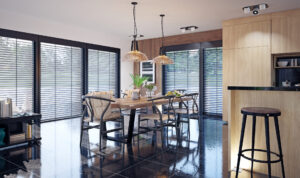
Living in New York City offers unparalleled energy, stunning architecture, and breathtaking skyline views. However, when it comes to interior design, city living also brings unique challenges—namely, balancing natural light, managing privacy in densely packed neighborhoods, and regulating apartment temperatures. The secret to solving these challenges lies in upgrading your space with modern window treatments.
Gone are the days when cheap plastic slats were the only option for apartment dwellers. Today, the world of interior design offers solutions that are as technologically advanced as they are beautiful. Whether you are overlooking Central Park or facing a brick wall in Brooklyn, selecting the right window coverings can completely transform your home’s aesthetic and functionality.
The Evolution of City Window Styling
Historically, many homeowners settled for basic, off-the-shelf options, simply seeking functional window treatments blinds to block out streetlights. However, the modern homeowner demands more. Today’s design trends focus on a seamless blend of aesthetics and high-tech utility, leading to a massive surge in the popularity of custom blinds and window treatments.
When you invest in custom solutions, you are no longer limited to standard sizing or generic fabrics. Instead, you can tailor every element to your specific lifestyle needs, perfectly matching your interior decor while solving architectural quirks like drafty historical windows or glaring floor-to-ceiling glass.
Top Trends Dominating the Market
If you are looking for the latest window treatment ideas to refresh your space, several key trends are currently dominating the interior design landscape.
1. Smart Homes and Motorization
We live in an era of convenience, and our home decor is catching up. One of the most significant upgrades you can make to your home is installing automated smart home blinds. Imagine waking up to natural sunlight gently filtering into your bedroom at a scheduled time, or lowering all the shades in your living room with a single voice command before starting a movie.
Integrating window shades with Alexa or Google Home is now easier than ever. These systems allow you to set schedules, control your blinds remotely via a smartphone app, and even link them to your smart thermostat to automatically close when the afternoon sun gets too hot. Furthermore, if you live in a classic NYC loft with soaring ceilings, motorized lift systems for hard to reach windows are an absolute necessity, eliminating the need for dangerous step stools or impossibly long pull cords.
2. Minimalism and Clean Lines
The modern aesthetic leans heavily into uncluttered, breathable spaces. To achieve this look, many designers are opting for minimalist cordless roller shades. These shades offer a sleek profile that practically disappears into the window frame when fully raised. By removing dangling cords, they also provide a safer environment for households with children or pets.
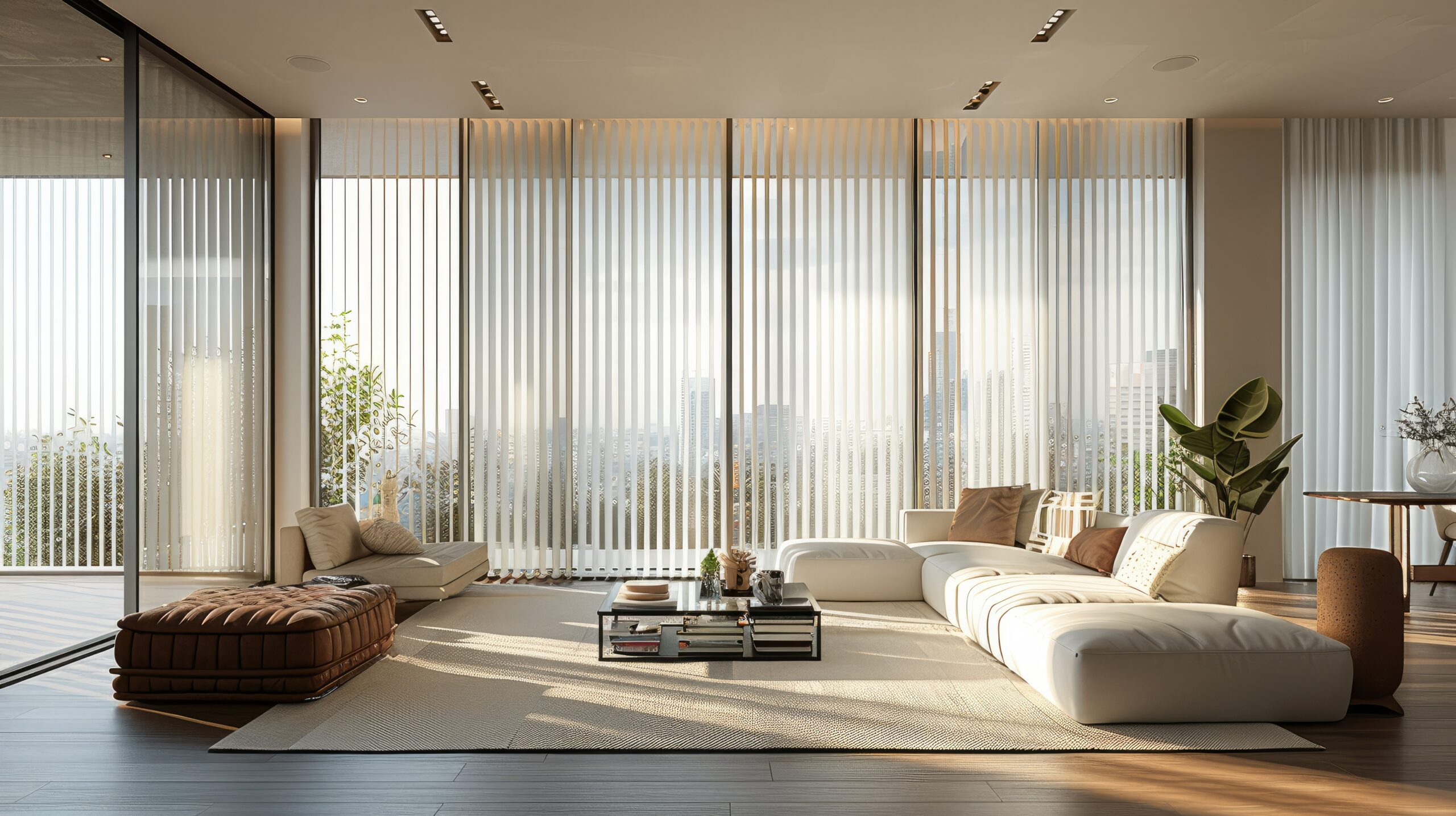
When deciding between solar screens vs traditional drapes, solar screens are winning out in contemporary high-rises. They are engineered specifically for blocking UV rays without losing natural light. This means you can protect your expensive hardwood floors, artwork, and furniture from sun damage while still enjoying your panoramic view of the city skyline.
3. Sustainability and Eco-Friendly Materials
Eco-conscious design is a major priority for modern consumers. New Yorkers experience both freezing winters and sweltering summers, making insulation a top priority. Installing energy efficient cellular honeycomb shades is a brilliant way to reduce your carbon footprint and lower your utility bills. The unique hexagonal pockets trap air at the window, creating a barrier that keeps your apartment warm in January and cool in July.
For those who prefer a softer, more organic aesthetic, sustainable organic linen curtains are a beautiful choice. Linen drapes beautifully, adds a touch of natural texture to a room, and is cultivated with significantly less water and fewer pesticides than conventional cotton.
Form Meets Function: Room-by-Room Strategies
Different rooms serve different purposes, which means a uniform approach rarely works for an entire apartment. Understanding the various types of window treatments available will help you make the best choice for every specific space.
The Bedroom Sanctuary
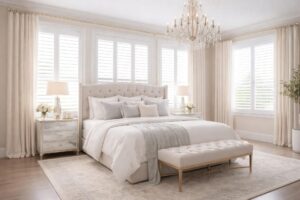
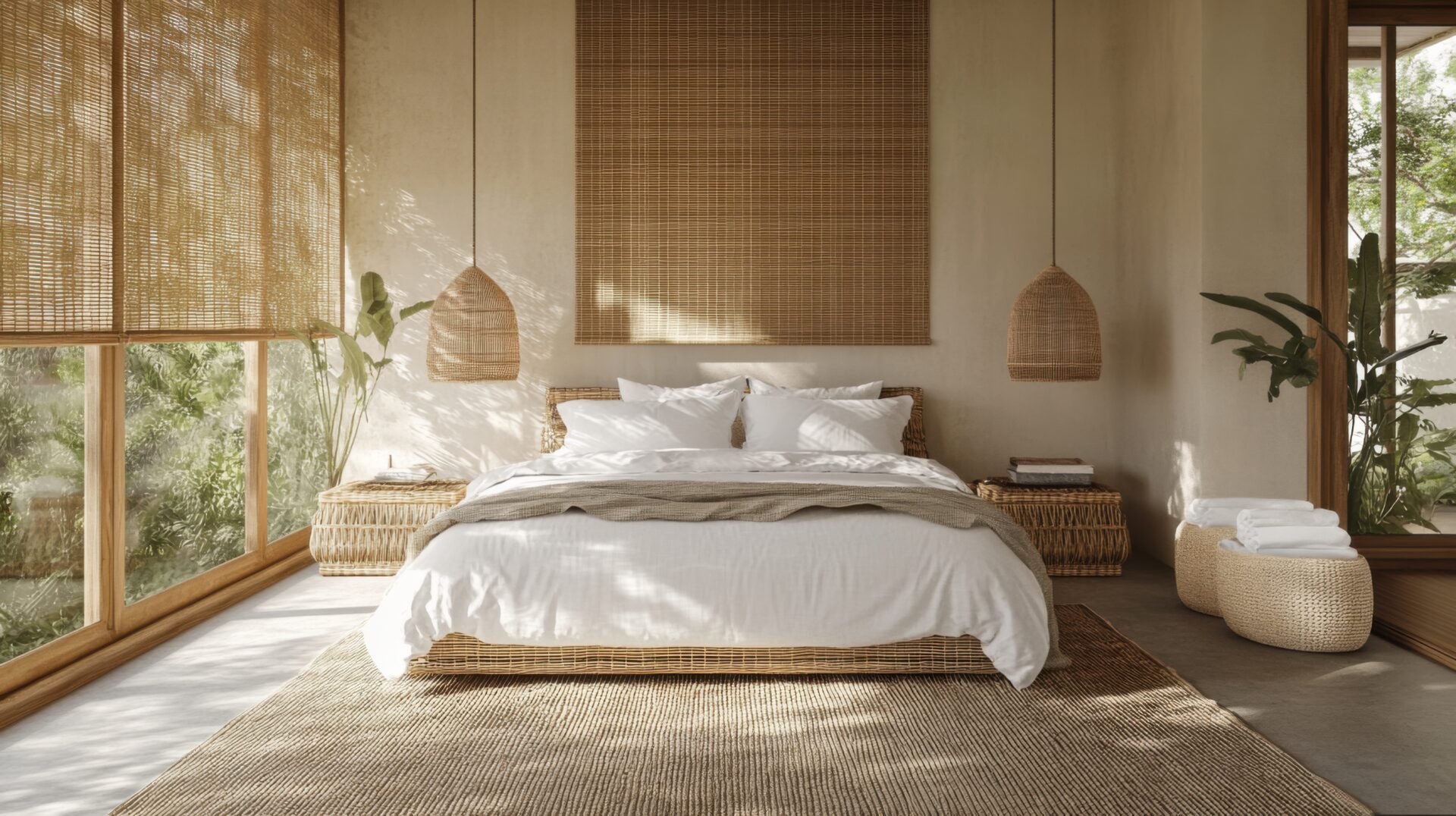
Your bedroom should be a haven of rest. In a bustling environment like New York, light pollution and sirens can easily disrupt your sleep cycle. To combat the city chaos, consider investing in noise reducing curtains for bedrooms. These heavy-duty, tightly woven fabrics not only block out early morning sunlight but also help muffle street noise.
To maximize versatility, designers often rely on layered window treatment ideas. Pairing a sheer, light-filtering shade with a heavy, room-darkening blackout curtain allows you to enjoy soft, diffused light during the day and complete, pitch-black silence at night.
The Living Room and High Ceilings
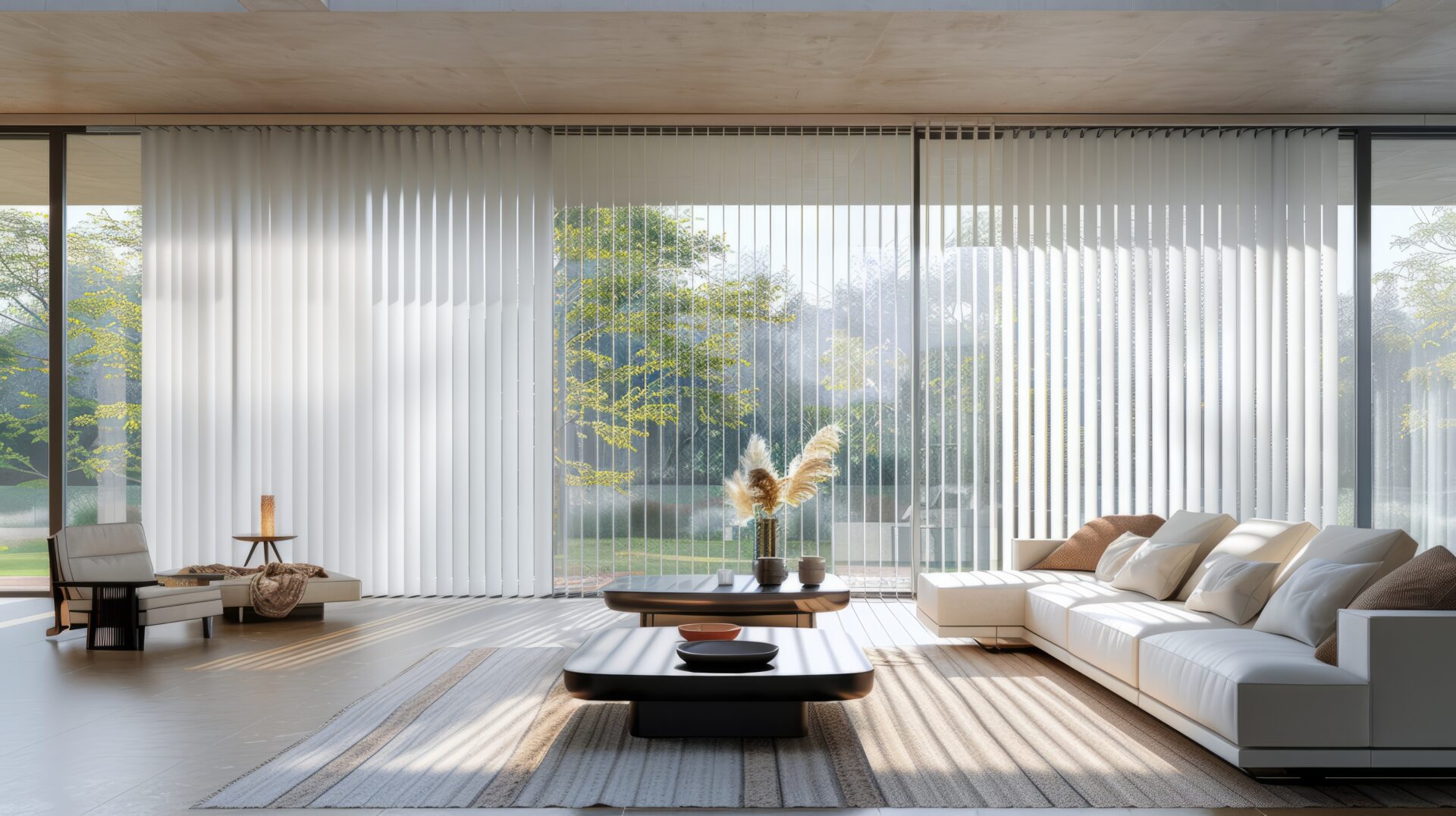
Living rooms are the focal point of your home, often featuring the most prominent architecture. If you are struggling with how to choose window coverings for large windows, the key is to look for lightweight materials and vertical lines that draw the eye upward without overwhelming the space.
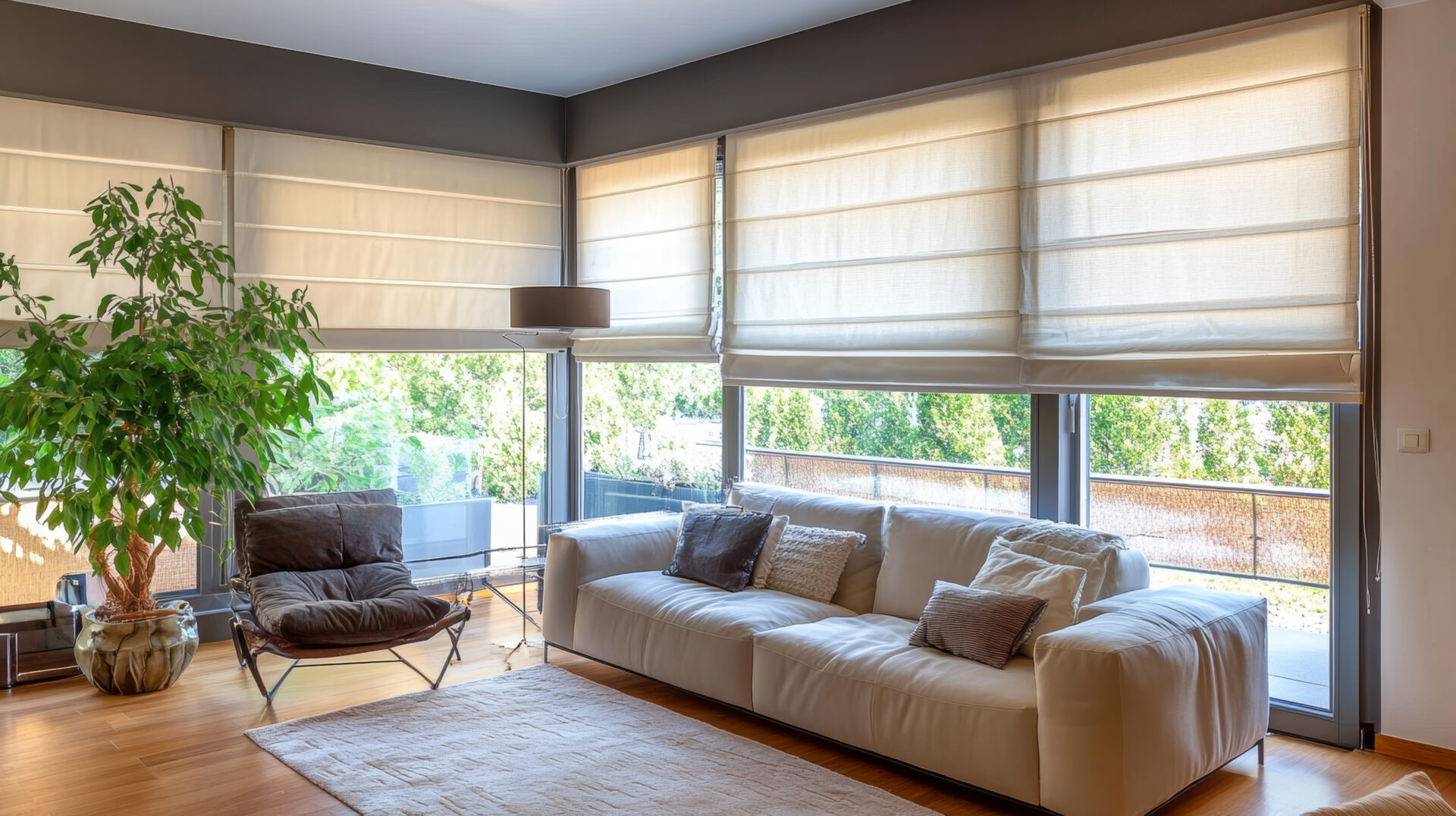
Homeowners frequently find themselves weighing the pros and cons of plantation shutters vs fabric roman shades. Plantation shutters offer timeless, architectural elegance and incredible control over light and airflow, making them perfect for traditional or transitional spaces. Fabric Roman shades, on the other hand, add softness, vibrant patterns, and a cozy feel, folding up neatly when you want to flood the room with sunshine.
Kitchens and Bathrooms
Spaces that experience high humidity and frequent temperature fluctuations require durable materials. When outfitting a bathroom, standard fabrics will quickly succumb to mold and mildew. You must look for the best fabric for moisture resistant bathroom blinds, such as PVC-coated materials, faux wood, or vinyl roller shades that can easily be wiped clean.
Privacy is also a major concern, particularly for ground-floor apartments or bathrooms facing a neighbor’s window. This is where top down bottom up privacy shades truly shine. This innovative design allows you to lower the top of the shade to let in natural light and sky views, while keeping the bottom half closed to shield you from the eyes of pedestrians on the street.
Practical Tips for Upgrading Your Space
Upgrading your home’s lighting and privacy controls is a highly rewarding project, provided you take the right steps in the planning phase.
Knowing Your Options and Finding a Provider
Before making a purchase, take the time to research. While you might be tempted to just type “window treatments near me” into a search engine and click the first link, it pays to be discerning. Look for a reputable window treatment store that offers in-home consultations, extensive fabric swatches, and professional installation services. Seeing and feeling the materials in the exact lighting of your apartment is crucial for making the right design choice.
Accurate Measurement is Everything
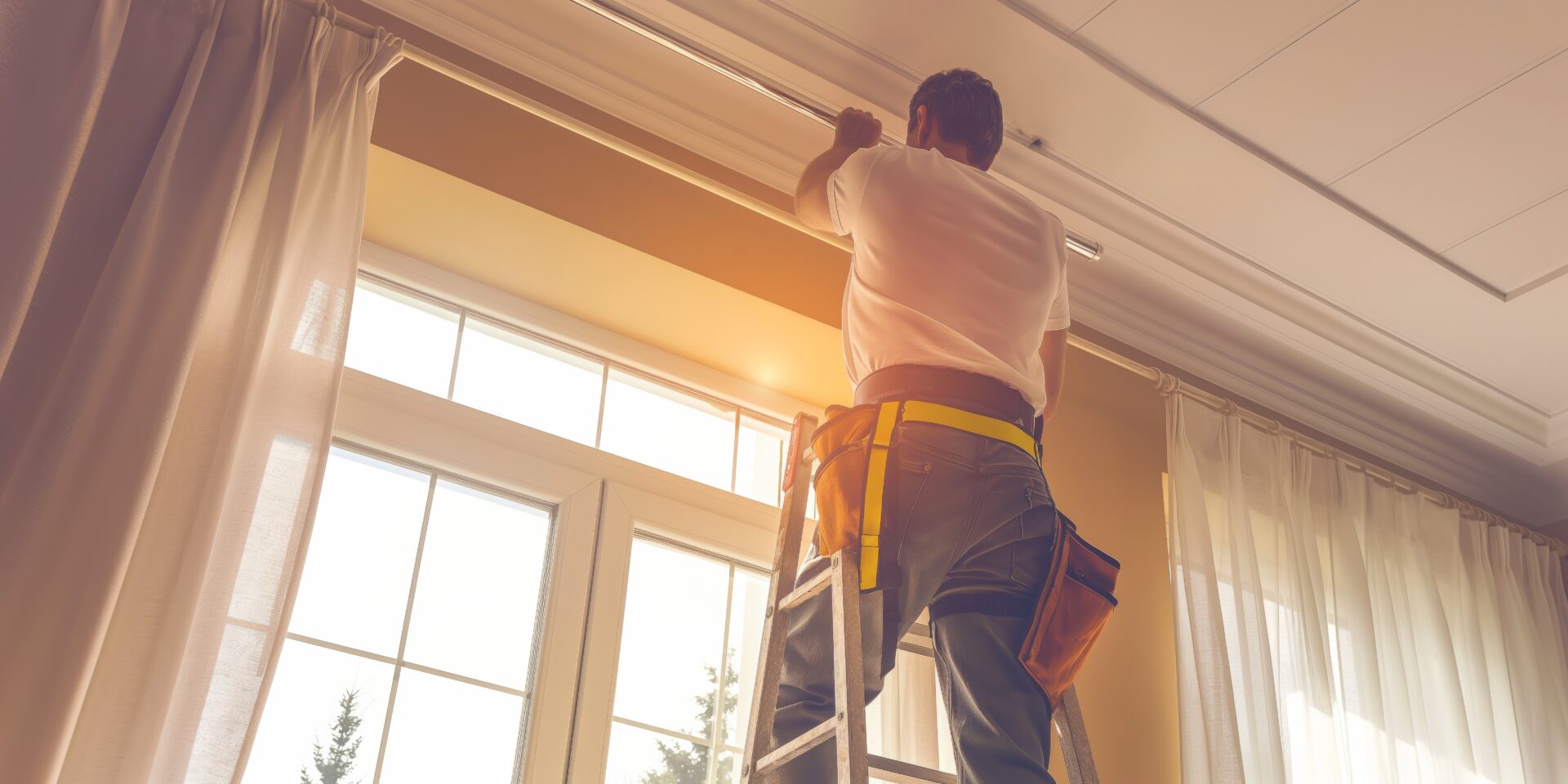
If you decide to take the DIY route, precision is non-negotiable. Even a quarter-inch miscalculation can result in blinds that scrape against the window frame or leave glaring gaps of light. Here is a quick step-by-step guide to measuring windows for blinds to ensure a flawless fit:
- Step 1: Decide on the Mount. Choose whether you want an “inside mount” (installed inside the window frame for a clean look) or an “outside mount” (installed above and outside the frame to make the window look larger and block more light).
- Step 2: Measure the Width. For an inside mount, measure the exact width of the window opening at the top, middle, and bottom. Record the narrowest measurement. For an outside mount, measure the width of the window and add 2 to 3 inches on each side for optimal coverage.
- Step 3: Measure the Height. Measure the height from the top of the window opening down to the sill at the left, middle, and right sides. Record the longest measurement to ensure your blinds cover the entire length of the window.
- Step 4: Check the Depth. If opting for an inside mount, ensure your window frame has enough depth to house the mounting brackets and the blind mechanism so they do not protrude awkwardly into the room.
- Step 5: Measure Twice, Order Once. Always double-check your numbers before placing a custom order, as bespoke treatments are generally non-refundable.
Final Thoughts
The right window coverings do much more than simply block out the sun. They are a foundational element of your home’s architecture and interior design. By embracing modern trends—from automated technology and energy-efficient honeycomb designs to sleek, minimalist lines—you can create a living space that feels curated, comfortable, and distinctly yours.
Whether your priority is finding the perfect blackout solution to sleep through a noisy city night, or you want to frame a stunning skyline view with elegant organic fabrics, taking a thoughtful, customized approach to your windows will elevate your home for years to come. Take the time to explore your options, consult with local experts, and invest in solutions that bring both unparalleled beauty and effortless functionality into your daily life.
Ready to refresh your space? Window Treatments NYC: Transform Your Windows Today with solutions tailored to New York living.
Frequently Asked Questions
Question: Why choose custom window treatments instead of off-the-shelf options?
Short answer: Custom solutions let you tailor every detail—size, fabric, operation, and finish—to your space and lifestyle. They address NYC-specific challenges like drafty historic windows or expansive glass, improve light control, privacy, and temperature regulation, and seamlessly match your decor. Unlike generic options, they can solve architectural quirks and elevate both the look and function of your home.
Question: How do smart and motorized shades improve daily life in an NYC apartment?
Short answer: Motorized shades add convenience, safety, and energy savings. You can schedule them to open with the sunrise, control them from your phone, use voice commands via Alexa or Google Home, and link them to a smart thermostat so they close when afternoon heat spikes. For lofts or hard-to-reach windows, motorized lifts eliminate ladders and long cords, making shade control effortless and safer.
Question: Solar screens or traditional drapes—which should I pick for a modern space?
Short answer: Choose solar screens if you want to block UV rays and glare while preserving daylight and views—ideal for contemporary high-rises and minimalist interiors. They help protect floors, art, and furniture without darkening the room. Opt for drapes when you want softness, pattern, or stronger light blocking; many designers layer them with sheers or shades to get both style and function.
Question: What are the most energy-efficient and eco-friendly window treatment options?
Short answer: Cellular honeycomb shades are top performers for NYC’s temperature swings. Their hexagonal cells trap air at the window, helping keep interiors warmer in winter and cooler in summer—reducing energy use and bills. For a natural, sustainable look, organic linen curtains offer beautiful drape and texture and are grown with less water and fewer pesticides than conventional cotton.
Question: How should I choose window treatments by room?
Short answer:
- Bedroom: Use noise-reducing, tightly woven curtains and layer a light-filtering shade with a room-darkening blackout curtain for quiet, restorative sleep and daytime softness.
- Living room/high ceilings: Favor lightweight materials and vertical lines to accentuate height. Consider plantation shutters for architectural polish and precise light control, or fabric Roman shades for warmth, pattern, and a tidy stack when raised.
- Kitchens/bathrooms: Pick moisture-resistant materials like PVC-coated fabrics, faux wood, or vinyl roller shades for durability and easy cleaning. For privacy without losing daylight—especially on lower floors—top-down bottom-up shades let in sky light while shielding views into your space.